
Safe Workouts While Pregnant – The 20-Minute Routines That Don’t Wreck Your Pelvic Floor
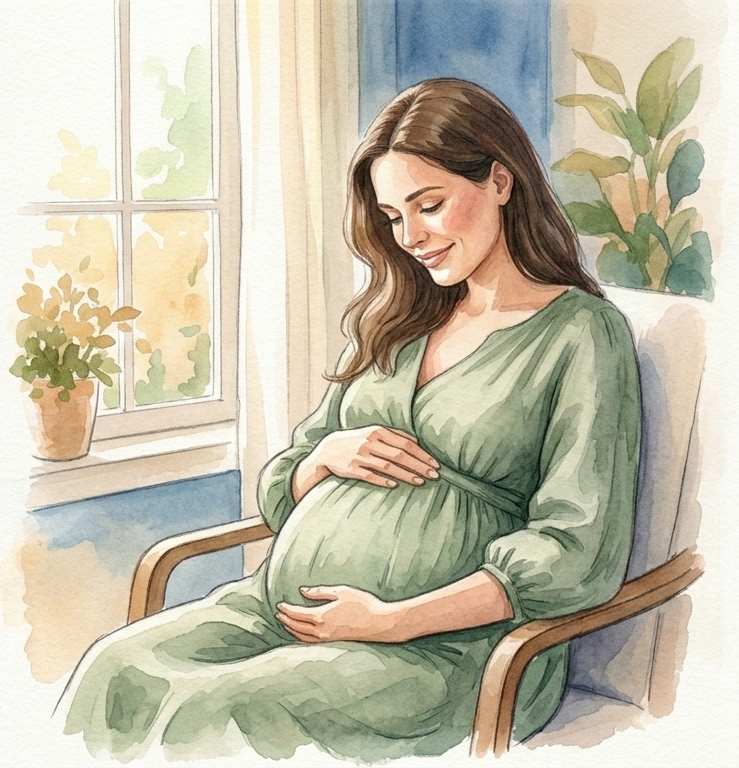
You’re pregnant and you want to stay active — but every squat or run leaves you with pelvic pressure, pee leaks, or lower back ache.
You’re terrified of “wrecking” your pelvic floor before labor even starts.
Take a breath.
Here’s exactly how to work out safely — 20-minute routines that build strength, ease aches, and protect your pelvic floor (backed by what OBs and thousands of parents actually do).
Why Pelvic Floor-Safe Matters (And What “Wrecking” Really Means)
Quick science: Pregnancy hormones relax ligaments and your growing baby adds pressure — high-impact moves or wrong core work can strain the pelvic floor muscles, leading to leaks or prolapse risk. Low-impact, foot-supported exercises with proper breathing strengthen without overload, cutting incontinence risk by 30–50 %.
(Source: American College of Obstetricians and Gynecologists Physical Activity Guidelines – https://www.acog.org/clinical/clinical-guidance/committee-opinion/articles/2020/04/physical-activity-and-exercise-during-pregnancy-and-the-postpartum-period)
Quick Take from Experts and Parents:
“Focus on low-impact and foot support — running or jumping adds downward pressure that pregnant pelvic floors can’t always handle.”
“I ran until 20 weeks then switched to walking + strength. No leaks, no pain — wish I’d started sooner.”
“Swapped HIIT for these routines at 16 weeks. Pelvic pain gone in days.”
“Did heavy squats first pregnancy — peed when sneezing for a year. This time gentle and no issues.”
“20 minutes a day kept me sane and strong for labor. No regrets.”
The 20-Minute Routine That Actually Works (Do 4–5 days a week)
Warm-up (3 min)
- March in place or gentle side steps
- Cat-cow stretches on all fours (breathe deep)
Strength Circuit (12 min — 45 sec each, 15 sec rest, repeat 2x)
- Bodyweight squats (feet wide, toes out — sit back like on toilet)
- Glute bridges (feet flat, lift hips — squeeze glutes)
- Bird-dog (all fours, extend opposite arm/leg — slow)
- Side-lying leg lifts (top leg straight, bottom knee bent)
- Seated marches (on stability ball or chair — alternate knees)
Pelvic Floor & Core Finisher (5 min)
- Deep belly breathing (hand on belly, exhale “shhh” while drawing pelvic floor up)
- Seated kegels (10 quick + 10 long holds)
Quick science: Foot-supported moves like squats and bridges build glute and core strength without downward pressure — key for pelvic stability. Breathing with pelvic floor engagement trains the muscles to work together, reducing strain during daily life and labor.
(Source: Journal of Physical Therapy Science, 2023 – Pelvic Floor Training in Pregnancy)
Quick Take from Experts and Parents:
“Foot support and proper breathing are non-negotiable — they let you strengthen safely while baby grows.”
“Did these every day second tri. No more pee when sneezing.”
“Bird-dog fixed my back pain in a week.”
“20 minutes felt doable even when exhausted.”
“Glute bridges gave me the strength to carry groceries without waddling.”
Gear That Made a Difference for Parents
- Stability ball ($20–30) “Seated marches on this = core gold.”
- Resistance bands (mini loops, $15) “Added to side leg lifts — felt the burn safely.”
- Yoga mat + block “Cat-cow never felt so good.”
Your Safe Workout Checklist
Check items as you collect them — we’ll remember on this device.
You’ve got this.
One gentle squat, one deep breath, one stronger body for you and baby at a time. ❤️

